Case study 02 / 06
Industrial · Windows desktop
Lumos 3
Lumos V.3.0.1 - Industrial Windows Desktop Application (Part 1)
- Client
- Verivide
- Timeline
- 12 Months
- Platform
- Windows desktop
- Role
- UI/UX Designer
- Design system
- UI kit
- Industrial UX
- Desktop
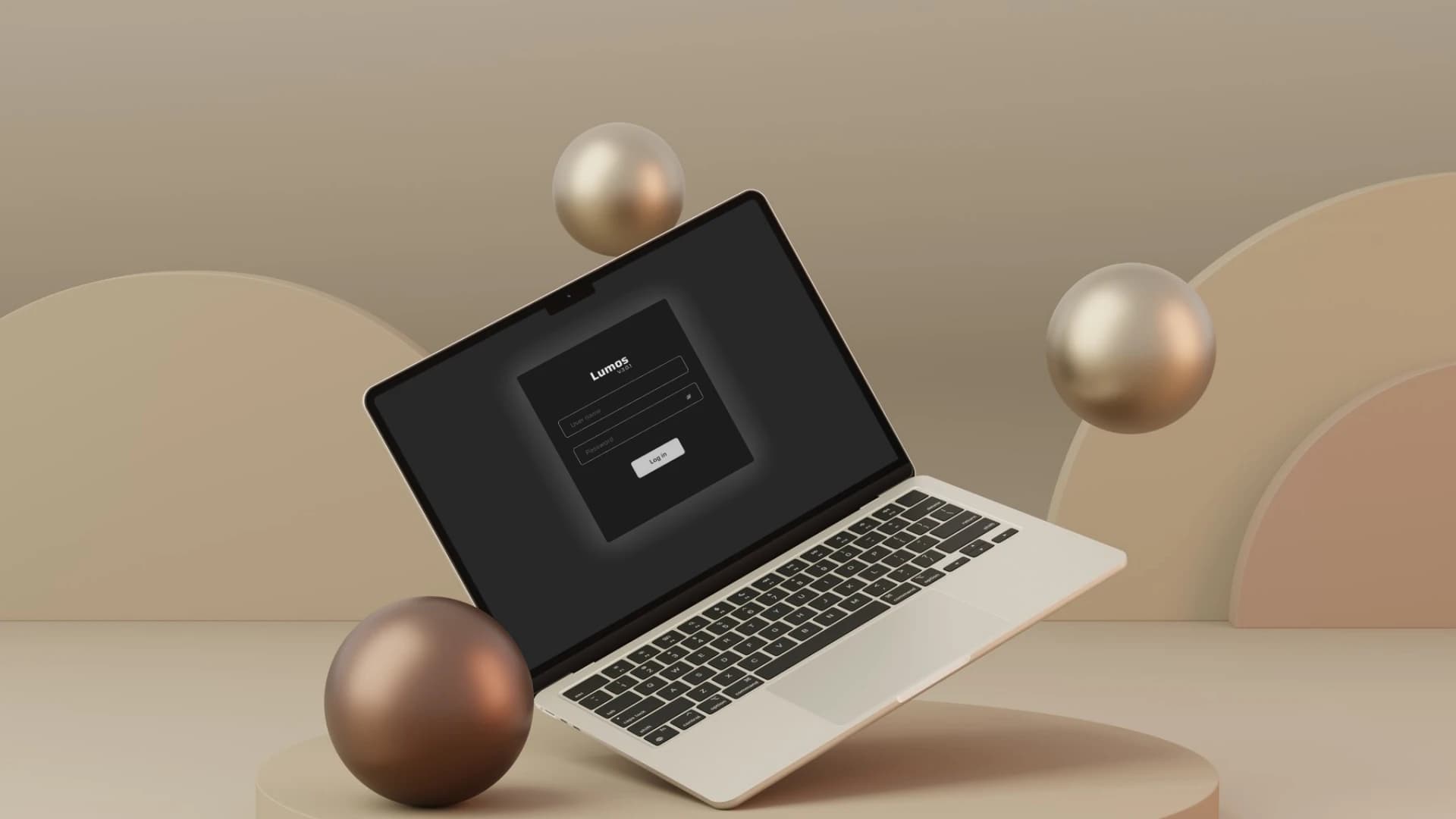
Lumos 3 is an industrial windows desktop application developed to support production, calibration, diagnostics, and servicing workflows for VeriVide's LED lighting systems.
In this project, I contributed to the visual and interaction design of the platform, focusing on creating a scalable design system and consistent user interface framework for a highly technical product used by production engineers, calibration technicians, and service teams.
01
Project Description
As VeriVide transitioned from fluorescent light booths to tuneable LED systems, the company needed to rethink how products were calibrated, produced, serviced, and managed across global markets.
The existing workflows involved complex calibration processes, multiple hardware dependencies, and servicing requirements that would become increasingly difficult to manage as the LED product line expanded.
02
The Challenge
To support future growth, VeriVide required a consistent and scalable interface system that could accommodate multiple workflows while maintaining usability across the product.
The platform needed to help teams:
- Run production workflows
- Manage calibration processes
- Monitor hardware status
- Access diagnostic information
- Support servicing operations across regions
- Store and retrieve critical operational data
The challenge wasn't creating new functionality. The challenge was organizing complex technical workflows into an experience that users could efficiently understand and operate.
The Users
- Production Engineers: Responsible for manufacturing, testing, configuring, validating LED systems during productions, and assigning jobs to service engineers/agents. Their work depended on clear visibility into calibration status, jobs to be done etc.
- Service Engineers/Agents: Responsible for maintaining systems after deployment. They required quick diagnostics, historical records, calibration information, and servicing workflows while working across different regions.
Key Design Challenges
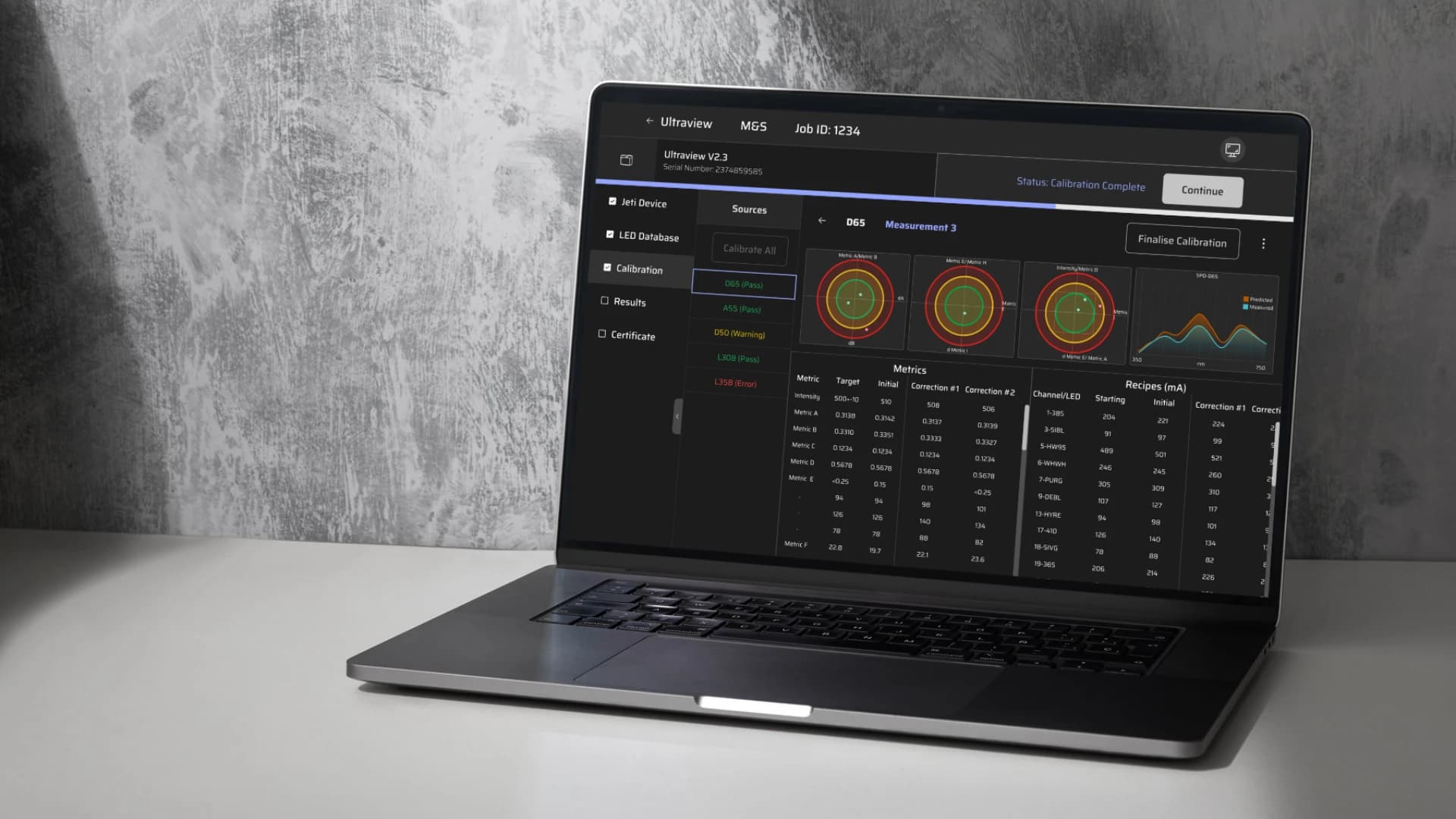
- Making Calibration Workflows Easier to Understand & Prioritizing Critical Information Users worked with large volumes of operational data. Calibration involved multiple steps, hardware interactions, and technical data points. A key challenge was presenting the information in a structured and understandable way without overwhelming users. The interface needed to clearly communicate:
- Current device state
- Calibration progress
- System alerts
- Diagnostics information
- Workflow status
- Supporting Multiple User Roles: Different users interacted with the platform in different ways. The design needed to accommodate both production-focused tasks and servicing-focused activities without overwhelming users with unnecessary information.
03
My Contributions
My primary responsibilities focused on the user interface layer of the product.
Design System Development
Created and maintained reusable design foundations including:
- Color system
- Typography scale
- Spacing system
- Component standards
- Iconography guidelines
UI Kit Creation
Designed reusable interface components including:
- Buttons
- Input fields
- Tables
- Navigation patterns
- Status indicators
- Dialogs and modals
- System notifications
Visual Consistency
Worked to establish a cohesive visual language across the platform to improve consistency and reduce interface fragmentation.
Interaction Design
Designed micro-interactions and interface feedback patterns to improve usability and communicate system states more clearly. Such as,
- Hover states
- Loading states
- Status feedback
- Transition behaviors
- Success and error messaging
- Splash Screen
Interface Design
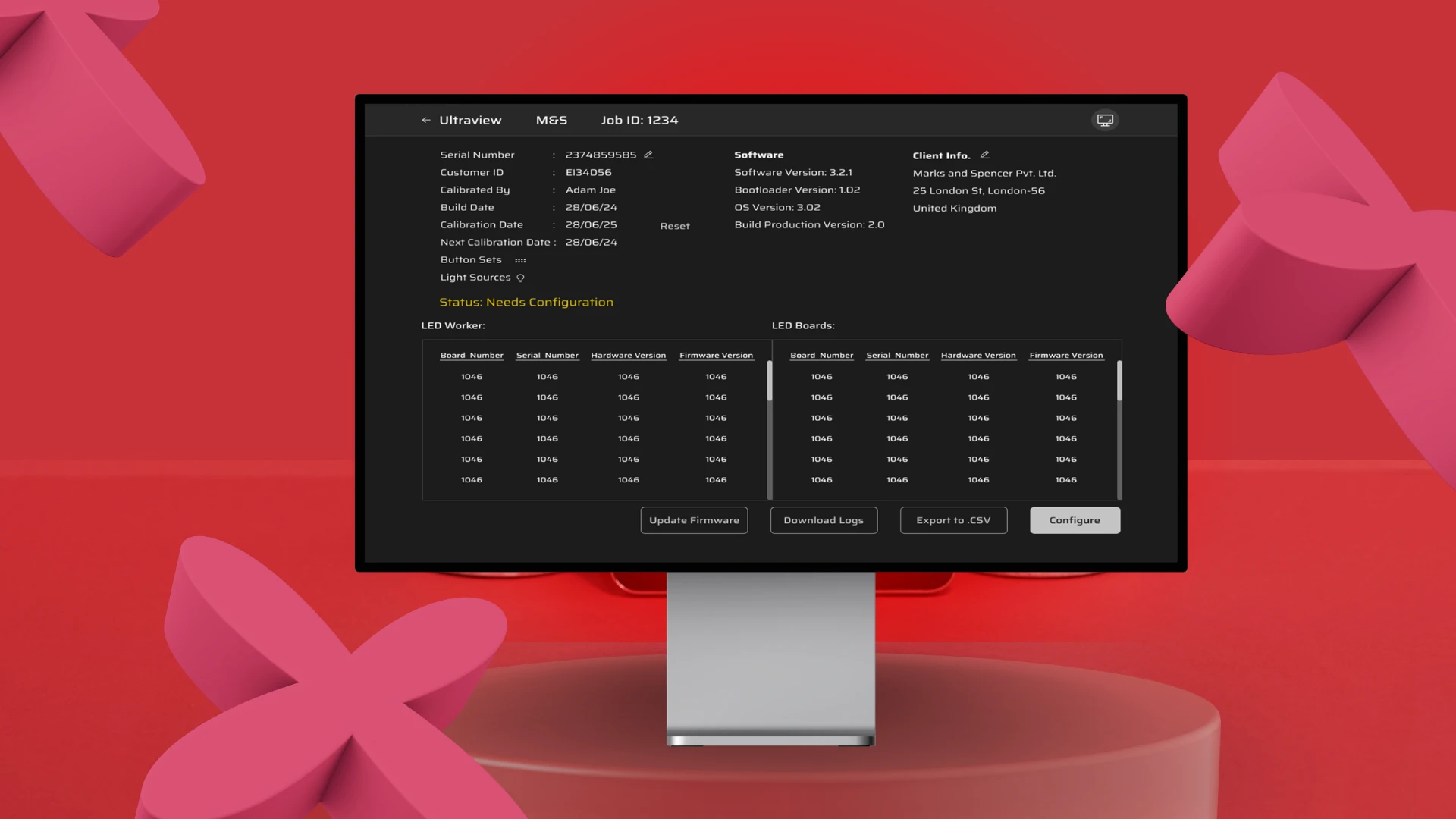
Designed screens and interface layouts across different operational workflows while ensuring consistency with the design system.
UX Improvements
Collaborated with the team to identify and address usability issues within existing workflows through layout improvements, visual hierarchy, and clearer information presentation.
04
Outcome
The resulting design system provided a foundation for a more consistent and scalable user experience across Lumos V.3.0.1.
The UI framework helped standardize interface patterns, improve visual consistency, and support future product growth as additional workflows and features were introduced.

05
Reflection
This project strengthened my understanding of enterprise UI design, design systems, and designing for complex operational software.
Working closely with the team taught me how a strong visual system can improve consistency, reduce design debt, and support long-term scalability within large software products.